My Plan
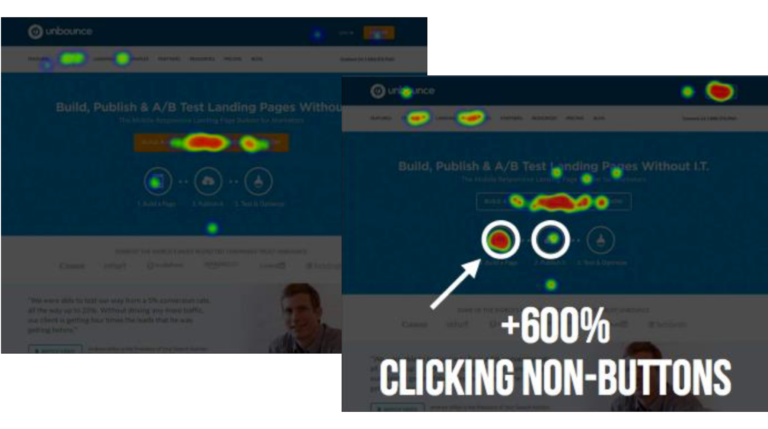
The redesign of this website involved executing a fact-driven and inclusive approach through tactical and decision making strategies. It entailed identifying and integrating key success metrics, focusing on new data discoveries of what users are presently doing through quant/quan data to understand their needs.
Initial Research
I had to produce a mission analysis of the current website. I raised and recorded key questions that need to be answered, document assumptions, and reference devices and current design outcomes by recording the results of data coming in.
Gathering Real Data
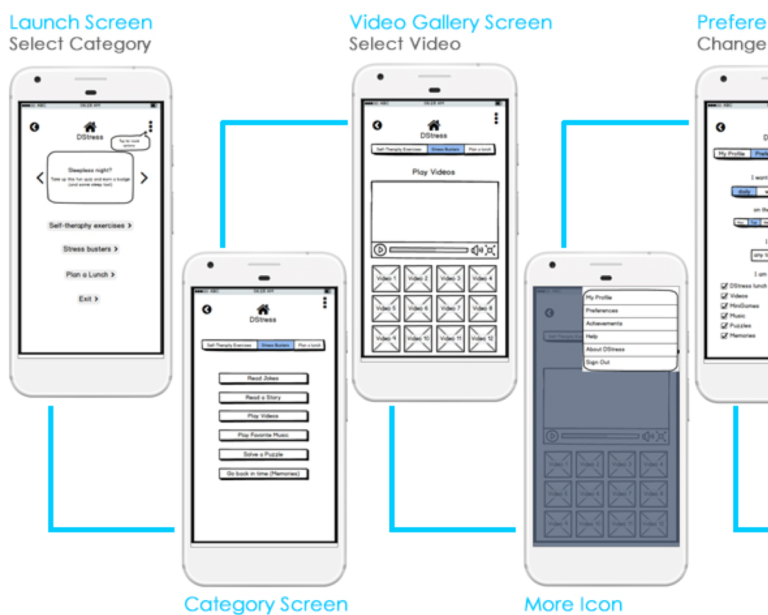
I analyzed and synthesized user research data and the implications to produce hypotheses. Keeping an open mind was critical and necessary to ensure every future design decision was informed by the data I would later execute. After discovery, I began producing the requirements. Working rigorously between each phase required having a strict mentality to ensure all activities were treated appropriately to deliver a true and consistent user-centered design focus.
Design Influence
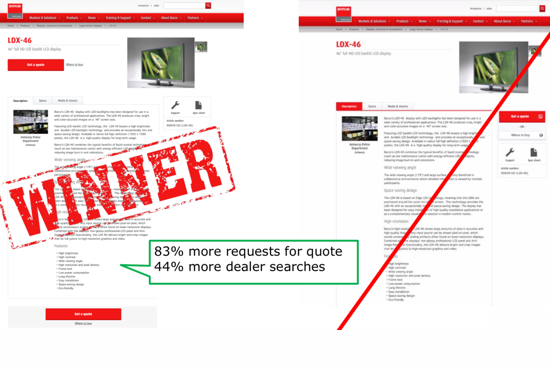
During the design process, the application of continuous research was necessary. This meant updating minor design changes according to new discoveries. Not only did the informed designs reduce potential customers from abandoning the website but they also resulted in challenging former hypotheses and assumptions that led to opportunities for the business.
The Results
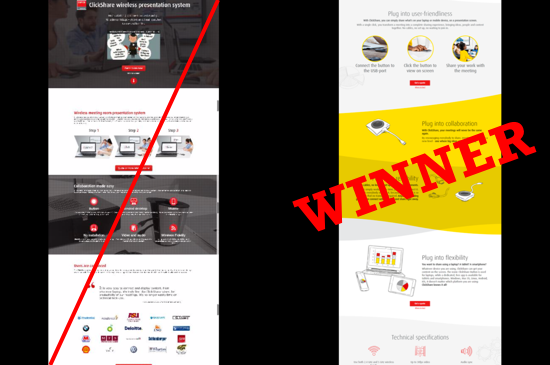
Evaluating what users were now doing after the process resulted in producing a better user experience whereby enabling visitors to accomplish their tasks and needs. The homepage resulted in attracting new customers through marketing efforts to accelerate clientele growth and converting online visitors to take action. Leveraging these efforts not only offered a better experience to “first-time visitors” but it also yielded from the expense of acquiring new customers. Existing customers also benefited because it also enabled them to move quickly in their own stressful environment by quickly inquiring their needs then other options not preferable.
Want to read more? Go behind the